- The Daily GOOD
- Posts
- Music soothes the savage beast that is your mind
Music soothes the savage beast that is your mind
It's Giving Tuesday, and we're giving you a trio of stories that support mental health.

Greg Sullivan
December 02, 2025 • Est. Reading Time: 3 minutes
In partnership with


“No one has ever become poor by giving.”
― Anne Frank
In this issue...
If you're a music junkie over age 70, you may have a lower risk of dementia
A simple misconception keeps young people feeling lonely. Here's how to break out of it.
UK gives King’s Award to man starting a fishing program to tackle depression and anxiety
From the group text: What English sounds like to those that don't speak it

Your go-to playlist might be doing more than lifting your mood, it could also be rewiring your brain.
We’ve shared the Swedish research that shows music works on your mind like a drug, and now new research from Monash University reveals it could be a powerful tool. In a study of more than 10,000 people over 70, those who reported they were “always listening to music” had a 39% reduction in dementia.
“Music activities may be an accessible strategy for maintaining cognitive health in older adults.”
As reported by GOOD’s Ryan Reed, listening to music has a long list of other benefits, including lower rates of cognitive impairment. Get all the musical miraculousness in the full story, the data will be music to your ears.

Which part of the brain processes both music and emotion?How well does your brain know your brain? |
And what did we learn?
To sleep naked, or not to sleep naked? That was the question in yesterday’s Daily GOOD. But we wanted to know something else about your bedtime situations; How many pillows are on your bed? Most of you have a respectable four pillows, with almost as many sporting just two.
Just the two (36.8%)
A respectable four (37.7%)
Surely not six!? (16.0%)
Eight or more and don't you judge me (9.4%)
Reader EmpressJad confessed to having over eight pillows. “And I mean REAL pillows - not those useless little decorative types. I just never know what my neck/back will require on a particular night.” And you know what? I can respect that. Gotta have the right tools for the job.
Image of the day

More than $10k in debt? We can help.
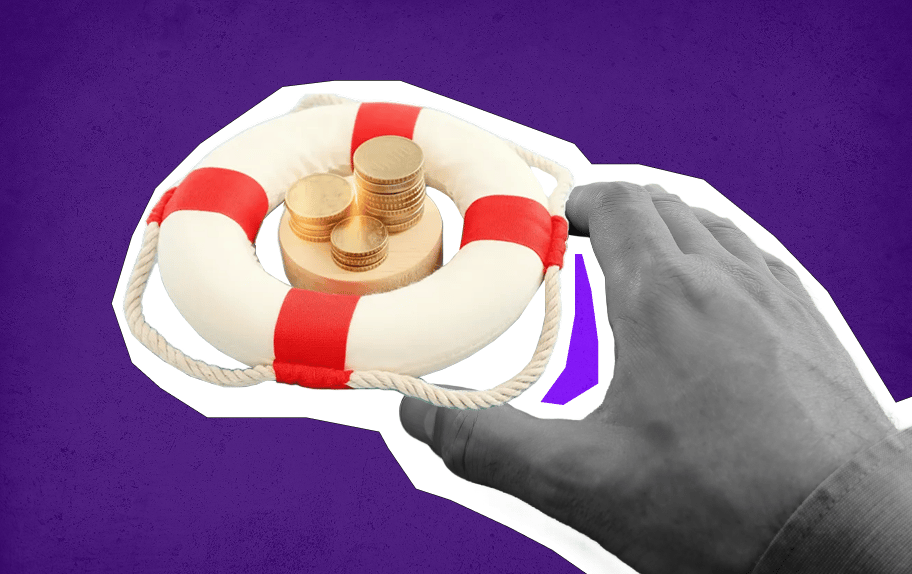
Debt happens. Getting out starts here.
Millions of Americans are tackling debt right now.
Whether it’s credit cards, loans, or medical bills, the right plan can help you take control again. Money.com's team researched trusted debt relief programs that actually work.
Answer a few quick questions to find your best path forward and see how much you could save. answer a few short questions, and get your free rate today.

How 5,000 lonely students accidentally ghosted each other
A corollary to Hanlon’s Razor (Never attribute to malice that which is adequately explained by stupidity) might be: Never assume someone is uncaring when they might simply be unsure, awkward, or afraid. That’s the takeaway from a new study out of Stanford University on the nature of human behavior. As Mark Wales reports, researchers looked at over 5,000 college students and uncovered an “empathy perception gap.”
Students consistently believed their peers cared far less than they did, which led to a feedback loop of not reaching out for support, staying silent, and spiraling into loneliness.
Then researchers did something simple but powerful: they showed students just how much their peers actually cared, and everything changed. Just knowing their classmates cared led to bigger friend groups, more connections, and a whole lot less loneliness.

Did you hear about the guy who went fishing and reeled in The King’s Award for Voluntary Service?
David Lyons of Manchester struggled with a collection of mental health challenges until he discovered a deceptively simple bit of therapy. After a few hours with a rod and reel in his hand, he realized he felt noticeably lighter.
As Erik Barnes reports, that spark turned into Tackling Minds, a program where anyone dealing with anxiety, depression, addiction, or disability can show up, get free gear, learn a cast, and spend a few peaceful hours around people who get it. No pressure. No stigma. Just water, bait, and the relief of being welcomed exactly as you are.
England’s National Health Service officially listed Tackling Minds as a social prescription. More than two thousand people have been prescribed a day of fishing, which might be the most wholesome medical order ever written.
Five years in, Buckingham Palace took notice and awarded Lyons the King’s Award for Voluntary Service. The story behind that recognition is even better.

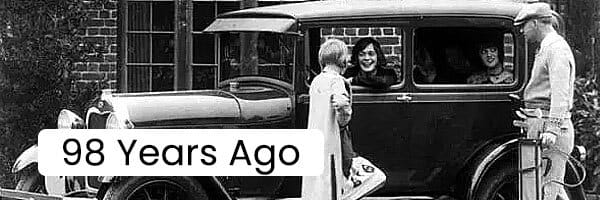
98 years ago today, on December 2, 1927, having shut down his company’s famous Model T assembly lines for six months of retooling and modernizing, Henry Ford debuted the Model A. The replacement for the wildly successful Model T was entirely new and featured a 40-hp engine, 3-speed sliding-gear transmission, and hydraulic shocks. Ford chose the name Model A to indicate just how much of a fresh start it was. The car sold for $500, or just over $11,370 today. The hype was enormous, with 10.5 million people visiting showrooms in the first week, a staggering 1 in 10 Americans at that time. The Model A was a smash hit from the jump, selling over a million in the first few months, on the way to ~4.86 million built before production ended in 1932.
Do you have something GOOD to share?
We’re always on the lookout for uplifting, enlightening, and engaging content to share with readers like you. If you have something you think should be featured in the Daily GOOD, let me know!
💬 From the group text…
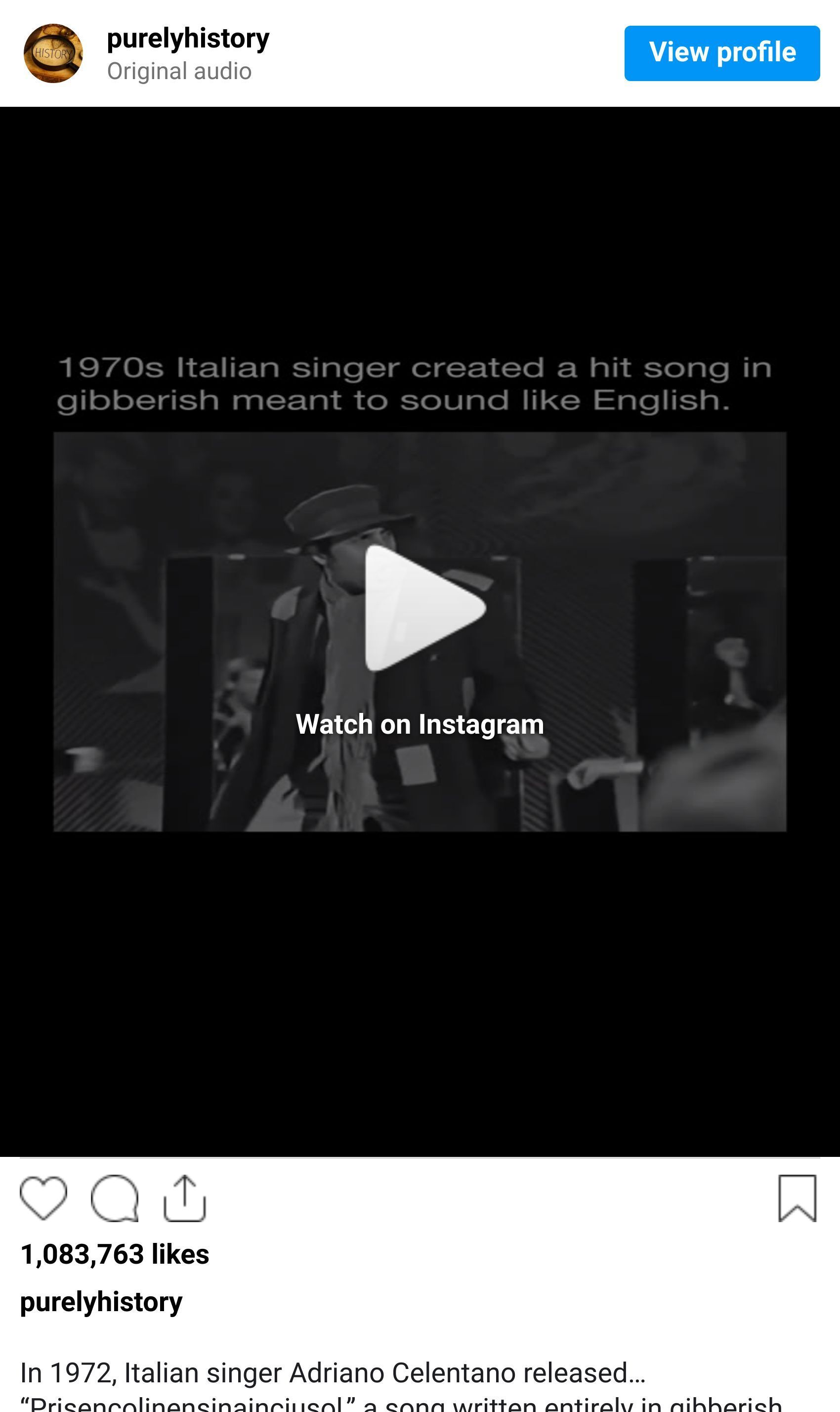
What does English sound like to non-English speakers and why is it a banger? I feel like if I just listened a little harder, I could understand this.
Join the Group Text! Send us your social media gold.
Until tomorrow, may your giving fill your heart with joy. Happy Giving Tuesday!