- The Daily GOOD
- Posts
- Neuroscientists say you’re not who you think you are, yet
Neuroscientists say you’re not who you think you are, yet
🧠 Ages 9 and 30 are more alike than you think. Where your city ranks for singles. A viral tip for getting your instructions followed.

Greg Sullivan
December 04, 2025 • Est. Reading Time: 3 minutes
In partnership with


“It was a well-known fact that there were no calories in homemade cakes.”
― Richard Osman
In this issue...

Think you’ve outgrown your awkward phase?
My key takeaway from this article by Erik Barnes is that I’m in my “Prime Epoch.” I like the way that sounds, and it conveniently obscures my real age*. Researchers at the University of Cambridge led by Dr. Alexa Mousley mapped how our brains actually shift across our lives, and it turns out those changes don’t happen gradually. They arrive in sudden, dramatic jumps that completely reframe our understanding of how we age.
“… we lack a big picture of how [the brain] changes across our lives and why.”
The research reveals some shocking and counterintuitive results, including that from age 9 to 32, there are very few meaningful changes in the brain.
Which epoch are you living in, and what does it mean for the brain you have right now? The full breakdown is surprisingly comforting.
* - Always Be My Baby was the #1 song at my prom, if that does anything to sate your curiosity.

Free email without sacrificing your privacy

Gmail is free, but you pay with your data. Proton Mail is different.
We don’t scan your messages. We don’t sell your behavior. We don’t follow you across the internet.
Proton Mail gives you full-featured, private email without surveillance or creepy profiling. It’s email that respects your time, your attention, and your boundaries.
Email doesn’t have to cost your privacy.

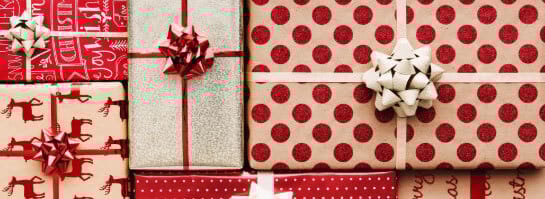
How's the holiday shopping coming along?This is both a fun little poll and a friendly reminder! |
And what did we learn?
We shared the history of an ancient artifact that went missing from the Great Pyramid of Giza yesterday. And I wanted to know what GOOD readers think we should be doing with ancient artifacts in general. Nearly half of you think we should study and display our mementos from the ancient past.
Leave them buried. No ghosts, no guilt, no problem. (17.9%)
Study them, display them, learn from them. That's how we grow. (46.2%)
Return them. Descendants get to call the shots. (28.2%)
Store them in a warehouse next to the Ark of the Covenant. Just in case. (5.1%)
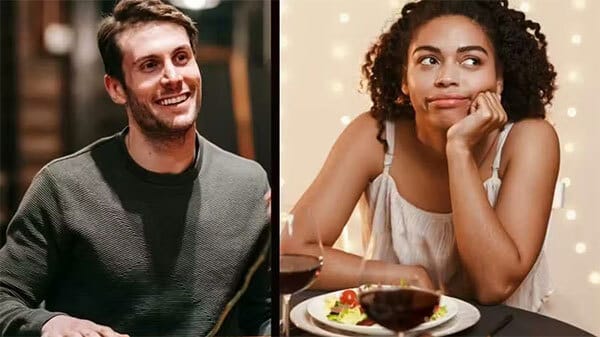
What makes a city ‘single-friendly’ in the first place?
Researchers used 35 key factors to find the best cities in America for meeting that special someone. I know you only want to know where your city ranked. I won’t be offended if you jump over to read the whole list now.
Spoiler: If you’re in Brownsville, Texas, you might wind up binging Stranger Things alone. And Glendale, California? I expected better of you!
What actually goes into a ranking like this? Think economics, access to fun things to do, recreational activities, and of course, the number of dateable people. Turns out you usually need singles around to stop being single yourself.
This story by Ryan Reed has all the data points, the winners, the losers, and a few fun bonus facts. Did you know 56% of people think it’s OK to use a coupon on the first date? 28% even think it’s a turn on!

We explain the viral 3-step method to get your kids, coworkers, or clueless roommate to actually follow through.
Could you forward this email to five friends by 10 a.m. tomorrow so we can share our wonderful stories with more people?
…Did it work? Did you feel compelled to do it?
As Erik Barnes reports in this story, communication expert Ettie Bailey-King teaches a simple framework that is suddenly everywhere. The idea is that people follow instructions more reliably when they know what you want, when you need it, and why it matters. The why is the real unlock, because it makes the request feel purposeful rather than bossy.
It also forces you to check whether the request even makes sense, which, frankly, saves everyone a headache.
That all said… Could you click through to the full story before moving on with your day so you learn how to get your instructions followed? (See what I did there?)


Some things are so solidly traditional and reliable that it’s difficult to remember that they had to have begun somewhere. The idea of a big Sunday paper is one of those things, but it wasn’t until December 4, 1791, that someone thought to put the news of the week into one place. 234 years ago today, The Observer debuted its Sunday edition, and it is still going strong today. The publication popularized long-form features, magazine inserts, and elevated investigative reporting. Today, it is recognized as the world’s oldest Sunday newspaper.
Do you have something GOOD to share?
We’re always on the lookout for uplifting, enlightening, and engaging content to share with readers like you. If you have something you think should be featured in the Daily GOOD, let me know!
💬 From the group text…
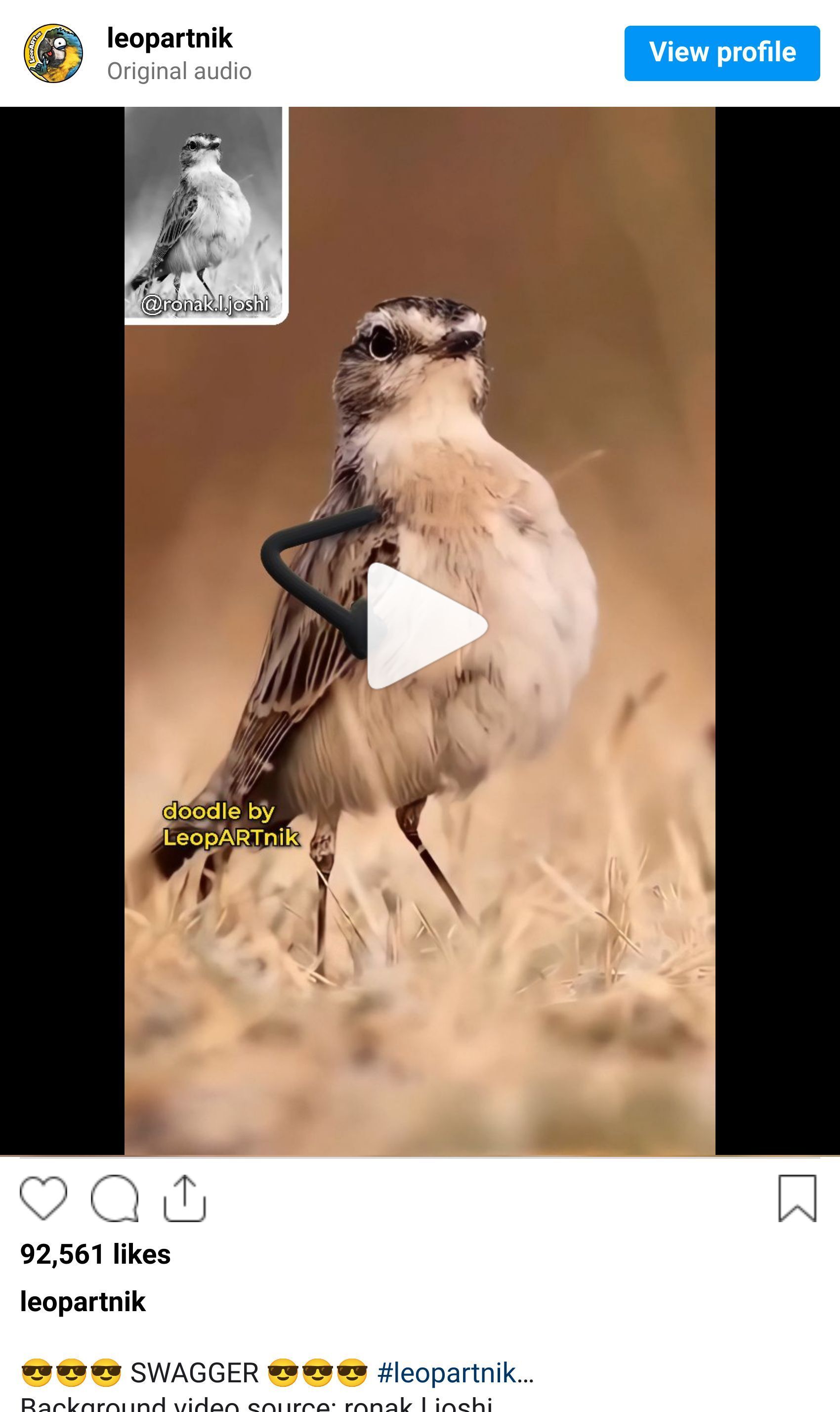
We’ve all had the same thought when looking at birds and their charming little motions: “What if they had arms?” Well, thanks to LeopARTnik, wonder no more.
Join the Group Text! Send us your social media gold.
Until tomorrow, enjoy the epoch you’re in, the next one will be here sooner than you think.