- The Daily GOOD
- Posts
- 500 trashed vapes powered this car
500 trashed vapes powered this car
Trash becomes horsepower, “everyone else was doing it” works for once, and pseudo-smarts get exposed.

Greg Sullivan
March 19, 2026 • Est. Reading Time: 4 minutes

“All we have to decide is what to do with the time that is given us.”
― J.R.R. Tolkien
In this issue...
Technology

One man turned disposable vapes into a working car battery, which is cool and also deeply bleak.
Vapes, like cigarettes before them, are bad for you. Maybe they’re less catastrophic for your lungs than the old-school version, but nobody is out here pairing vapes with green juice and a Pilates class. And while cigarettes mostly left behind little papery butts and that very specific flavor of sidewalk sadness, disposable vapes have taken the environmental damage to a whole new level.
Because when you toss a vape, you are not just throwing away plastic and nicotine residue. You are also chucking a rechargeable lithium-ion battery into the waste stream, like that is somehow normal.
“Unfortunately we seem to live in some crazy dystopia where buying these single use devices and then chucking them away is totally normalized…”
To drive the point home (ahem), British engineer and YouTuber Chris Doel decided to see what all that discarded battery power could actually do. The answer, as Erik Barnes reports, is surprisingly unsettling. After salvaging 500 disposable vapes, Doel combined their batteries into a homemade power pack and used it to run an early electric car.
Did it work? More than you’d probably like it to.


This twinkly view of Chicago was taken by GOOD reader Michael Kelleher in the River North neighborhood while, perhaps ironically, facing south.
Do you have a GOOD picture to share?
Send us your best images, and we may feature them as the image of the day. Be sure to tell us a bit about your pic.
Feeling off lately? It could be your hormones.

Allara helps women understand the root cause of their hormonal or metabolic symptoms with a comprehensive care team that combines expert medical and nutrition guidance. Whether you're managing PCOS, fertility challenges, perimenopause, thyroid conditions, or unexplained symptoms, you'll get a personalized care plan backed by advanced diagnostic testing and ongoing support. This isn't about quick fixes. It's about getting clarity and feeling like yourself again, with care that's accessible virtually and covered by insurance.

How do you feel about bending the dress code rules?Office style can be a controversial thing. |
And what did we learn?
Yesterday, just for fun, I asked what GOOD readers are secretly, weirdly best at. Turns out, you are a perceptive bunch! Over 36% of you say you’re good at reading a room. A superpower that I, alas, lack.
Reading the room (36.9%)
Spotting tension instantly (32.1%)
Sensing chemistry (16.7%)
Escaping awkward small talk (14.3%)
Society

What is the footwear version of driving the flow of traffic?
As a child, “everyone else was doing it” is usually the kind of argument that gets you grounded, not vindicated. But Elizabeth Benassi took that exact complaint, minus the whining, into a UK employment tribunal after getting fired over her office attire, specifically her shoes. It worked a lot better there than it ever did with your parents.
Benassi was 18, new to her first professional job, and already worried coworkers would see her as the baby of the office. Then her manager reprimanded her for wearing trainers (that’s British for sneakers for us yanks), even though other employees had shown up in similar shoes and heard nothing about it. When Benassi politely pointed out the double standard, things escalated fast.
A month later, she was out of a job. But, as Adam Albright-Hanna reports, a tribunal later sided with her on victimisation, with a judge concluding she appeared to be scrutinized from the start. So yes, “everyone else was doing it” may still fail at the dinner table. In court, though, it turned into nearly £30,000.
Culture | From the Vault

When the loudest person in the room isn’t actually saying much.
If you find yourself being talked at more than talked with, you may be sitting across from someone who’s faking their intellectual prowess. Like a writer who deploys ostentatious clusters of needlessly polysyllabic, grandiloquent, and lexically hypertrophic verbiage to hide their own insecurities (ahem), these talkers often treat conversation as sport instead of discourse.
As Erik Barnes reports in this story, neuroscientist-turned-musician and comedian Alex Riordan says pseudo-intellectuals tend to follow a predictable pattern. They talk past you, leaning on jargon or rhetorical sleight of hand to steer the conversation away from your actual point. The goal isn’t understanding. It’s control.
The right move is often a polite nod and a quick escape. But if you’re feeling a little mischievous, Riordan has a move that stops fake-smart talkers cold.


On March 19, 1918, the U.S. made standard time the law of the land. Before that, America ran on a loose patchwork of local solar time, with towns setting clocks by the sun and railroads forced to invent their own system just to keep schedules from falling apart. The 1918 law turned that improvised order into national infrastructure, and, for the most part, it stuck.
That is the striking part. More than a century later, Americans are still living inside the same basic time-zone framework. The lines can shift at the margins, but the country has more or less settled the bigger question of how to organize time across a continental nation.
What has never been settled is daylight saving time. The same 1918 law also introduced a national DST, and Americans have been grumbling about it on and off ever since. We seem able to agree on the map, but not on whether the clock should jump forward and back twice a year.
That puts the U.S. between two very different approaches. At one extreme is the old world of intensely local time, when each town kept its own noon. At the other end are countries that run on a single national clock across huge distances, like India and especially China. The American compromise was multiple shared zones rather than thousands of local ones or one clock for everyone.
Do you have something GOOD to share?
We’re always on the lookout for uplifting, enlightening, and engaging content to share with readers like you. If you have something you think should be featured in the Daily GOOD, let me know!
💬 From the group text…
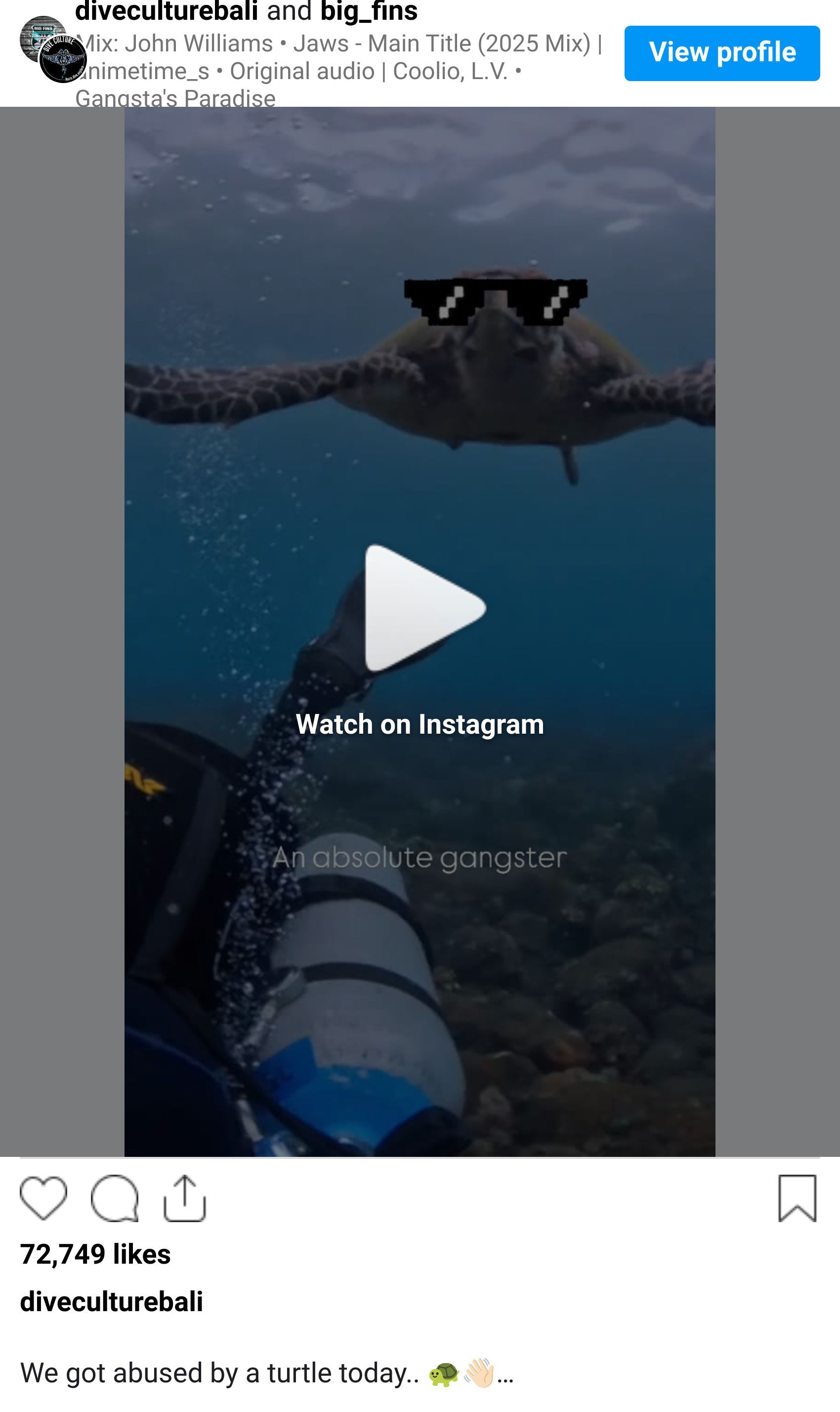
This exact same thing happened to me! After getting repeatedly warned not to touch the turtle, after being told it was a $10,000 fine, after being told, alas, there weren’t even any turtles around, one came up and smacked me on the head! First, rude. Second, does that mean the turtle owes ME $10,000? Third, is this a common thing?
Join the Group Text! Send us your social media gold.
Until tomorrow, may your e-waste be minimal and your shoes work appropriate.